Elsewhere in the world, however, the asbestos market is still strong. Which countries are continuing to mine and manufacture the mineral, and for what purpose?
Read More
Elsewhere in the world, however, the asbestos market is still strong. Which countries are continuing to mine and manufacture the mineral, and for what purpose?
Read MoreAsbestos encapsulation is popular amongst homeowners as an alternative to removal. Here are the facts you need to know, from the asbestos experts at Chemcare.
Read MoreAsbestos is still found in many New Zealand homes, despite being banned. What does the future look like for the material and the health effects it causes?
Read MoreIf you have discovered asbestos in your property, you should know what you’re dealing with by collecting a sample for testing - here’s how to do it safely.
Read MoreThe Ministry of Health regulations to manage asbestos materials in New Zealand require each removal job checked by an independent asbestos assessor to deal with asbestos safely.
Read MoreThe New Zealand annual fatality rate from asbestos-related illness, is about 170 people a year. New regulations are dedicated to reducing this and if possible, down to zero fatalities.
Read MoreThere’s a lot of dangerous misinformation concerning asbestos in New Zealand. We’ve busted 6 common asbestos myths to help clear the air.
Read MoreAsbestos when exposed to fire can become brittle and breakable and more likely to allow fibres into the air. For this reason, fire is considered an asbestos damaging catalyst.
Read MoreNatural disasters can cause asbestos to become friable and hazardous. We have a look at the risks and discuss why it’s always best to remove asbestos before the unexpected happens.
Read MoreAsbestos fibres can easily become lodged in clothing. once trapped, the risk is high that these fibres will become airborne and ingested into the body of the wearer or nearby people.
Read MoreRemoving asbestos contamination isn’t always a viable option. However, you should always treat it, making asbestos encapsulation a good alternative fix.
Read MoreUnfortunately asbestos is ubiquitous throughout New Zealand homes. One of the most common areas it can be found is piping and spouting. Is this dangerous and what can you do about it?
Read MoreMost people know now that asbestos is dangerous—but here are some weird facts from the history of asbestos use that shows we weren’t always so aware.
Read MoreAsbestos is an excellent insulating material - but is it really such a health hazard to have asbestos insulation in your home after testing for it?
Read MoreIf you’re buying a house containing asbestos you need to be careful. We’ve run through everything you need to know to protect yourself.
Read MoreDid you know asbestos can spread to soil from the materials it was used in? Here's what you need to know about asbestos-contaminated soil and how to manage it.
Read MoreIf you suspect there might be asbestos on your property, you need to arrange an asbestos survey. Which type is right for you?
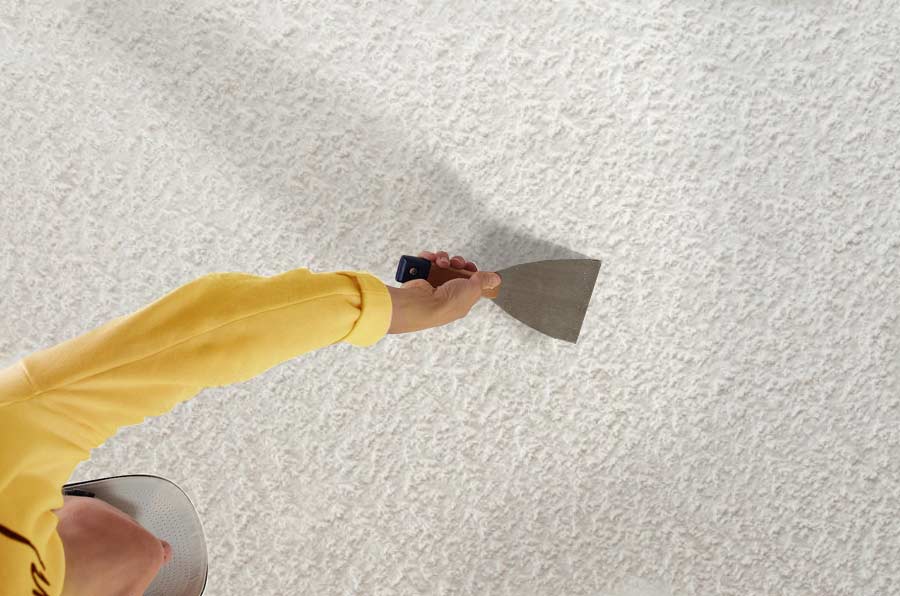
Read MorePopcorn ceilings were common in the 1960s, 70s, and 80s. Some can be more than just a potential eyesore - as asbestos was a component. Here's what you need to know.
Read MoreIf you’re a business or property owner, you need to have an up-to-date asbestos management plan. Here we explain everything you need to know to ensure you’re safe and compliant.
Read MoreA professional asbestos test is the only real way to know whether or not your property has asbestos. Find out what’s involved in our latest blog.
Read More